



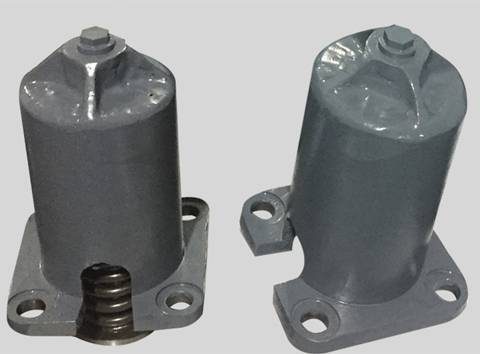
A Relief Valve is a safety device used to protect pneumatic systems from over-pressure.
It automatically releases excess air pressure when the pressure exceeds a preset limit, preventing damage to equipment, pipelines, cylinders, or valves.
Main Purpose of Relief Valve
To protect the pneumatic (air) system from over-pressure by automatically releasing excess air when pressure exceeds the safe limit.
Why It Is Needed?
- If pressure rises due to compressor overcharging or system blockage,
- The valve opens automatically,
- Releases excess air to atmosphere
- Prevents bursting of pipes, damage to equipment, and brake failure.
Key Functions of Relief Valve
| Function | Explanation |
| 1. Prevents Over-pressure | Opens automatically when air pressure exceeds the preset limit. |
| 2. Protects System Components | Safeguards pipes, cylinders, valves, and reservoirs from bursting or damage. |
| 3. Maintains Safe Operating Pressure | Releases only excess pressure and closes again when normal pressure is restored. |
| 4. Acts as a Safety Device for Air System | Prevents compressor overcharging by venting extra air. |
| 5. Ensures Proper Brake Functioning | Stable pressure helps maintain accurate braking response and system reliability. |
| 6. Avoids Equipment Failure and Accidents | Reduces risk of malfunction caused by excessive pressure build-up. |