



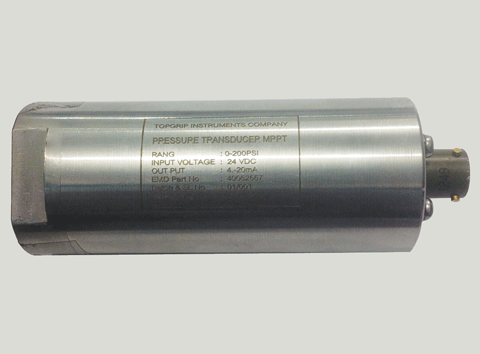
Main Purpose of a Pressure Transducer
The main purpose of a pressure transducer is to convert applied pressure into a proportional electrical signal so that pressure can be measured, monitored, displayed, or controlled in a system.
Why it is used
- To sense fluid, gas, or steam pressure
- To translate pressure changes into measurable electrical output (voltage/current)
- To enable digital/automatic monitoring and control of pressure systems
Key Functions of Pressure Transducer
- Pressure Sensing
- Detects the pressure of gases or liquids in a system.
- Measures absolute, gauge, or differential pressure depending on type.
- Conversion to Electrical Signal
- Converts physical pressure into an electrical output (voltage or current).
- Makes the pressure readable by electronic devices and controllers.
- Real-time Pressure Monitoring
- Continuously tracks pressure changes during system operation.
- Enables live supervision on displays, gauges, or control panels.
- Feedback for Control Systems
- Provides signal input to automation systems like PLC, ECU, or microcontrollers.
- Helps regulate pressure by controlling valves, pumps, compressors, etc.
- Protection & Safety Indication
- Alerts when pressure goes above or below sets limits.
- Prevents equipment damage and unsafe operating conditions.
- Data Logging & Diagnostic Support
- Supports system health monitoring and maintenance.
- Used to analyze trends and detect faults in pressure systems.