



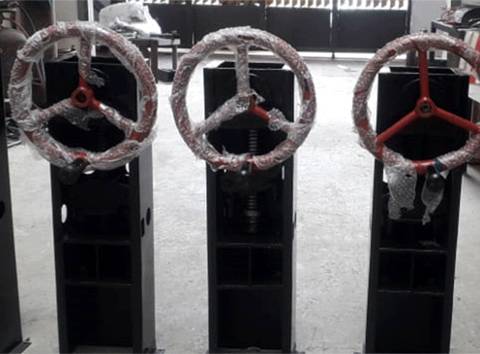
A Hand Brake is a manually operated mechanical braking system used on rolling stock to hold or secure a stationary train when air brakes are not applied or have failed.
It works using mechanical screw or chain linkage, not air pressure.
Main Purpose of Hand Brake
To manually apply brakes on a stationary locomotive, coach, or wagon to prevent unintended movement, especially when air brakes are not applied or inoperative.
Why It Is Needed
| Reason | Explanation |
| Parking Brake | Secures coaches, wagons, and locomotives when stationary on sidings, loops, or yards. |
| Emergency Backup | Can be used if the air brake system fails or loses pressure. |
| During Shunting | Allows precise control of individual wagons or loco during coupling/uncoupling. |
| Safety on Gradients | Prevents runaway vehicles on slopes when parked. |
| Maintenance & Yard Operations | Keeps rolling stock immobilized for safe inspection or servicing. |
Key Functions of Hand Brake
| Function | Description |
| 1. Holds stationary vehicles | Prevents locomotives, coaches, or wagons from rolling when parked. |
| 2. Acts as an emergency brake | Can be used when the air brake system fails or loses pressure. |
| 3. Provides control during shunting | Enables gradual stopping or holding of individual wagons or locomotives during yard operations. |
| 4. Secures rolling stock on gradients | Prevents runaway movement on slopes when parked. |
| 5. Used during maintenance | Immobilizes vehicles safely for inspection, coupling, or repairs. |
| 6. Independent operation | Does not rely on compressed air; works mechanically via levers, chains, or screws. |
| 7. Ensures safety in yard operations | Essential for safe handling of wagons and coaches in sidings or stations. |