



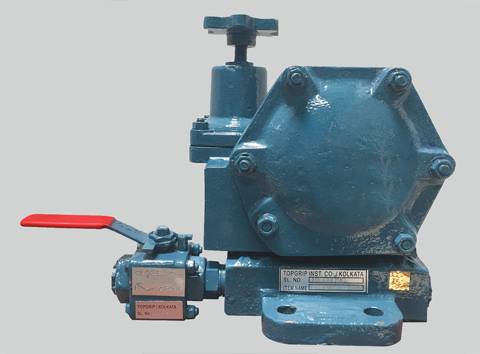
The C2N Feed Valve is a pressure-regulating valve used in locomotives to maintain and control the Brake Pipe (BP) pressure at a preset level.
It ensures that the brake pipe remains at a constant charging pressure (typically 5.0 kg/cm² or 70 psi in IR air-brake system) regardless of variations in Main Reservoir (MR) pressure.
Main Purpose of the C2N Feed Valve
The primary purpose of the C2N feed valve is to regulate and maintain a constant, predetermined pressure in the brake pipe from the main reservoir supply.
Key Points:
| Function | Explanation |
| 1. Maintains brake pipe pressure | Keeps the brake pipe at a fixed set pressure (usually 5 kg/cm² or as required by system design). |
| 2. Regulates flow from main reservoir | Controls and stabilizes the air supplied to the brake pipe from the MR, preventing over-charging. |
| 3. Prevents fluctuation in pressure | Automatically maintains uniform BP pressure even during minor leakage or train operations. |
| 4. Enables proper braking response | Correct and steady BP pressure ensures timely brake application and release. |
Key Functions of C2N Feed Valve
| Key Function | Description |
| 1. Regulates Main Reservoir (MR) air to Brake Pipe (BP) | Controls the air flow between MR and BP to build brake pipe pressure. |
| 2. Maintains a Constant Brake Pipe Pressure | Keeps BP at a preset value (normally 5 kg/cm² in Indian Railways), regardless of MR fluctuations. |
| s3. Prevents Overcharging of Brake Pipe | Stops air supply after BP reaches desired pressure, protecting system safety and brake efficiency. |
| 4. Compensates for Minor Leakage | Automatically restores pressure if BP falls slightly due to leakage or slack action in couplings. |
| 5. Ensures Quick Response of Automatic Brakes | Stable BP enables proper application and release of automatic brakes throughout the train. |
| 6. Supplies Uniform Air to Entire Train Length | Maintains consistent brake performance even for long rakes by offering steady air regulation. |